Introduction
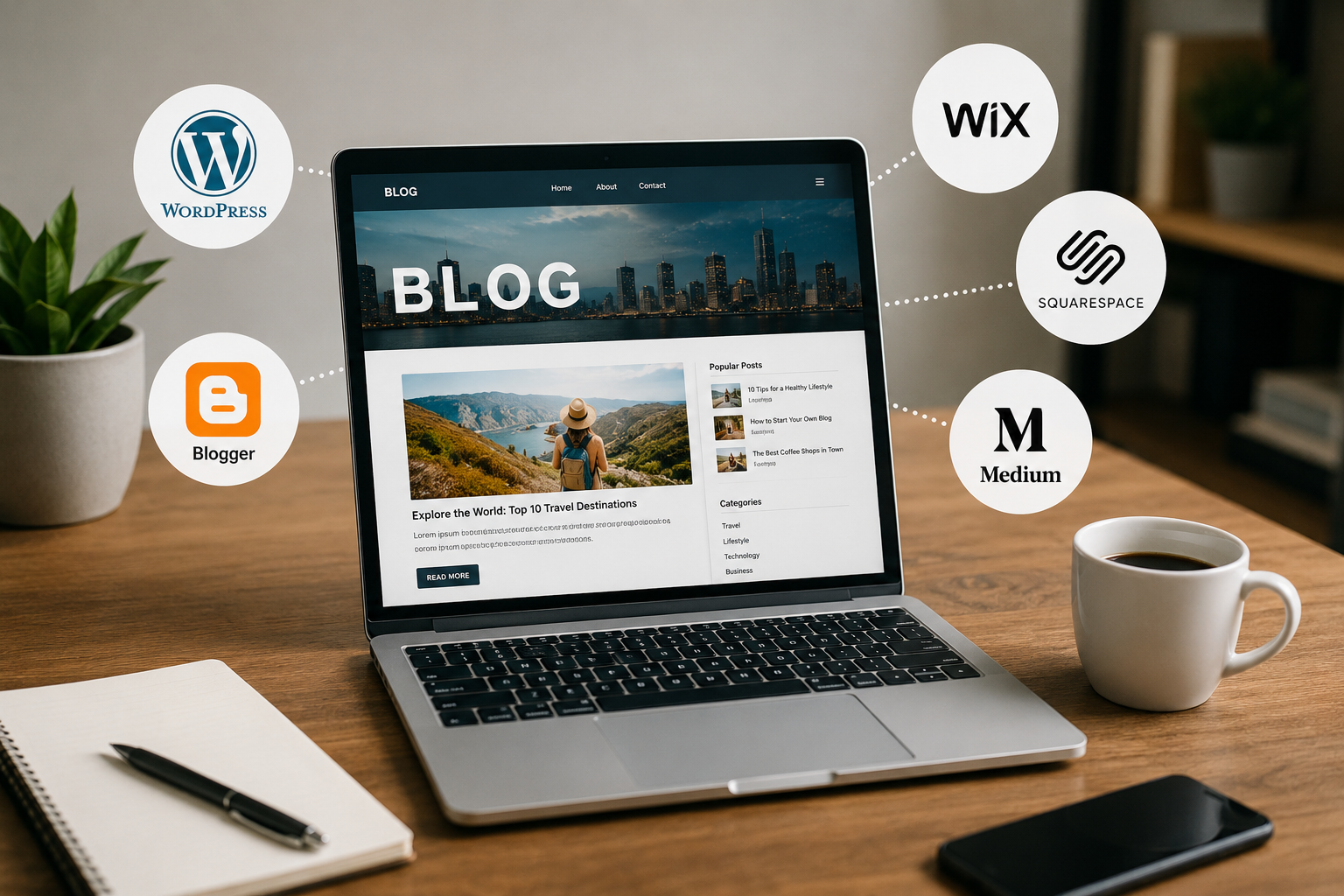
The best blogging platform This is one of the first questions every beginner asks before starting a blog. With hundreds of blogging platforms available today, choosing the right one can feel overwhelming. Some platforms are designed for beginners, while others are built for professionals, businesses, or developers.
The best blogging platform depends on your goals. If you want to build a personal blog, earn money through affiliate marketing, improve your SEO, or grow a business online, selecting the right platform is the foundation of your success.
In 2026, blogging is still one of the most effective ways to attract organic traffic, build authority, generate leads, and earn passive income. However, using the wrong platform can limit your website’s growth, customization, and monetization opportunities.
This guide explains the best blogging platforms, their advantages and disadvantages, and which one is best for different types of users.
What Is a Blogging Platform?
A blogging platform is software or a website that allows you to create, publish, and manage blog posts without needing advanced programming skills.
A blogging platform typically provides:
- Content editor
- Website templates
- Media management
- SEO tools
- Categories and tags
- Comment management
- Analytics integration
- Security features
- Mobile-friendly design
Some platforms are completely free, while others require hosting and a domain name.
Why Choosing The Best Blogging Platform right Matters?
Your blogging platform affects nearly every part of your website, including:
- Website speed
- SEO performance
- User experience
- Customization
- Security
- Scalability
- Monetization
- Maintenance
Changing platforms later can be time-consuming, so choosing wisely from the beginning saves both time and money.
1. WordPress.org (Best Overall Blogging Platform)
WordPress.org is the world’s most popular blogging platform, powering over 40% of all websites.
It is open-source software that gives users complete control over their websites.
Best For
- Bloggers
- Businesses
- Digital marketers
- SEO professionals
- Freelancers
- Agencies
- Online stores
Advantages
- Full ownership of your website
- Excellent SEO capabilities
- Thousands of themes
- Thousands of plugins
- Unlimited customization
- Fast performance
- Supports eCommerce
- Works with AI tools
- Large community support
Disadvantages
- Requires web hosting
- Slight learning curve
- Requires updates
Rating: ⭐⭐⭐⭐⭐ (5/5)
2. Wix
Wix is a beginner-friendly website builder with drag-and-drop functionality.
You don’t need coding knowledge to build a professional-looking blog.
Best For
- Beginners
- Small businesses
- Personal blogs
Advantages
- Easy to use
- Beautiful templates
- Hosting included
- Mobile responsive
- App marketplace
Disadvantages
- Limited customization
- Less SEO flexibility than WordPress
- Expensive premium plans
Rating: ⭐⭐⭐⭐☆ (4/5)
3. Blogger
Blogger is Google’s free blogging platform.
It has been around for many years and remains popular among hobby bloggers.
Best For
- Beginners
- Personal blogging
- Learning blogging
Advantages
- Completely free
- Easy setup
- Google integration
- Free hosting
Disadvantages
- Limited features
- Outdated templates
- Less professional
- Limited SEO options
Rating: ⭐⭐⭐☆☆ (3/5)
4. Medium
Medium focuses entirely on writing rather than website design.
Readers can discover your articles through Medium’s built-in audience.
Best For
- Writers
- Journalists
- Storytelling
- Personal branding
Advantages
- Ready audience
- Beautiful reading experience
- No hosting required
- Easy publishing
Disadvantages
- Limited customization
- You don’t fully own your audience
- Branding limitations
Rating: ⭐⭐⭐⭐☆ (4/5)
5. Ghost
Ghost is a modern publishing platform built specifically for bloggers.
It focuses on speed, memberships, and newsletters.
Best For
- Professional bloggers
- Publishers
- Membership websites
Advantages
- Fast loading
- Modern interface
- Built-in memberships
- SEO friendly
Disadvantages
- Smaller plugin ecosystem
- Requires technical setup
- Premium hosting can be costly
Rating: ⭐⭐⭐⭐☆ (4.5/5)
6. Squarespace
Squarespace combines blogging with stunning website design.
It is ideal for creatives who want a visually appealing website.
Best For
Advantages
- Elegant templates
- Hosting included
- Easy editing
- Secure platform
Disadvantages
- Limited extensions
- Less SEO flexibility
- Higher pricing
Rating: ⭐⭐⭐⭐☆ (4/5)
7. Webflow
Webflow is a professional website builder offering advanced design control without traditional coding.
Best For
- Designers
- Agencies
- Professional websites
Advantages
- Highly customizable
- Fast websites
- Great animations
- Responsive design
Disadvantages
- Steeper learning curve
- Expensive plans
- Not ideal for beginners
Rating: ⭐⭐⭐⭐☆ (4.5/5)
Comparison Table
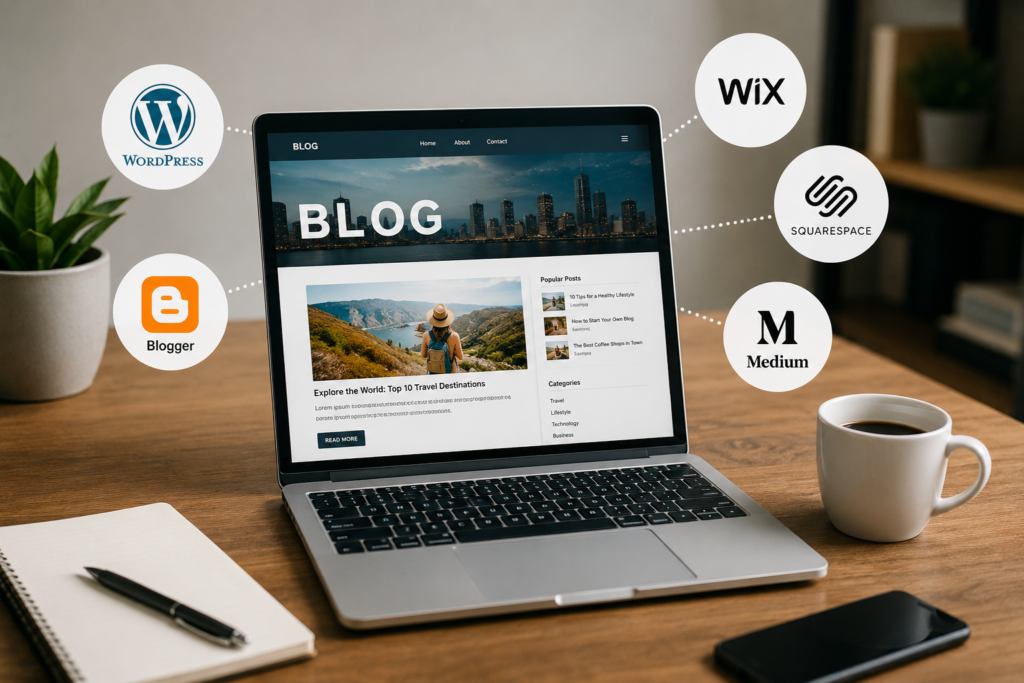
| Platform | Beginner Friendly | SEO | Customization | Monetization |
| WordPress.org | ⭐⭐⭐⭐ | ⭐⭐⭐⭐⭐ | ⭐⭐⭐⭐⭐ | ⭐⭐⭐⭐⭐ |
| Wix | ⭐⭐⭐⭐⭐ | ⭐⭐⭐⭐ | ⭐⭐⭐ | ⭐⭐⭐ |
| Blogger | ⭐⭐⭐⭐⭐ | ⭐⭐⭐ | ⭐⭐ | ⭐⭐ |
| Medium | ⭐⭐⭐⭐⭐ | ⭐⭐⭐ | ⭐ | ⭐⭐ |
| Ghost | ⭐⭐⭐⭐ | ⭐⭐⭐⭐⭐ | ⭐⭐⭐⭐ | ⭐⭐⭐⭐⭐ |
| Squarespace | ⭐⭐⭐⭐ | ⭐⭐⭐⭐ | ⭐⭐⭐ | ⭐⭐⭐ |
| Webflow | ⭐⭐⭐ | ⭐⭐⭐⭐⭐ | ⭐⭐⭐⭐⭐ | ⭐⭐⭐⭐ |
Which Blogging Platform Is Best for SEO?
If your goal is to rank higher on Google, WordPress.org is the best option because it offers:
- Complete SEO control
- Custom meta titles and descriptions
- Schema markup
- XML sitemaps
- SEO plugins
- Fast website optimization
- Internal linking tools
- Mobile optimization
These features make it easier to improve search engine rankings and attract organic traffic.
Which The Best Blogging Platform for Making Money?
If you want to earn income through blogging, WordPress.org offers the greatest flexibility. You can monetize your blog with:
- Google AdSense
- Affiliate marketing
- Sponsored posts
- Selling digital products
- Online courses
- Membership websites
- Freelancing services
- E-commerce stores
Unlike some hosted platforms, WordPress gives you full control over how you generate revenue.
Tips for Choosing the Right Blogging Platform
Before making your decision, consider these factors:
- Define your blogging goals.
- Check your budget for hosting and domain costs.
- Choose a platform with strong SEO features.
- Ensure it supports future growth.
- Look for customization options.
- Consider available themes and plugins.
- Make sure it offers reliable security and backups.
- Select a platform with a supportive community and documentation.
Conclusion
There is no single blogging platform that suits everyone, but WordPress.org remains the best overall choice in 2026. It provides unmatched flexibility, powerful SEO features, complete ownership of your content, and excellent monetization opportunities. Whether you’re creating a personal blog, a business website, or a niche authority site, WordPress can scale with your needs.
If you’re looking for simplicity, platforms like Wix or Medium are good alternatives. Designers may prefer Webflow or Squarespace, while professional publishers might choose Ghost for its speed and membership features.
Ultimately, the best blogging platform is the one that aligns with your goals, technical skills, and long-term vision. Start with a platform that supports growth, focus on creating valuable content, and consistently publish high-quality articles. With the right strategy and persistence, your blog can become a powerful source of traffic, authority, and income in 2026.