

Meta Description: Learn how to earn money from Google AdSense in 2026. Discover AdSense approval tips, SEO strategies, ad placement techniques, E-E-A-T optimization, and proven ways to increase blog revenue.
Publishing content online is exciting, but many bloggers eventually ask the same question: Can my website actually generate income? The answer is yes. One of the most trusted and beginner-friendly ways to monetize a blog is through Google AdSense.
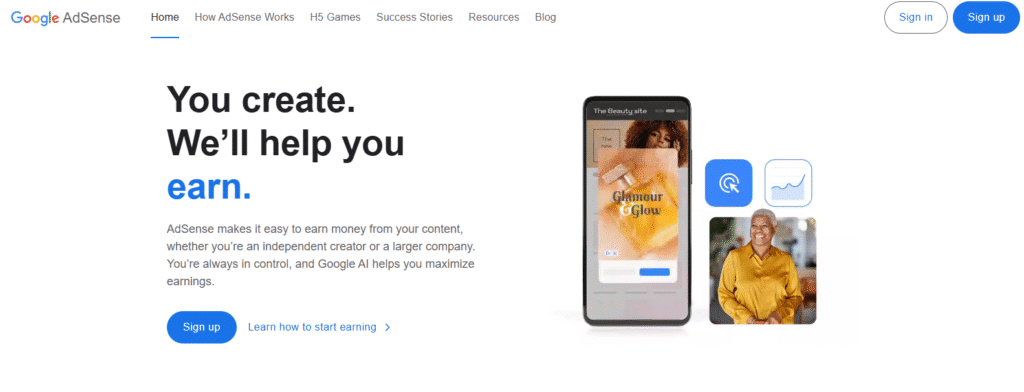
Google AdSense allows website owners and content creators to earn passive income by displaying relevant ads on their websites. Whether you run a blog, niche website, news portal, or educational platform, AdSense can help turn your traffic into revenue.
This complete guide explains how to earn from Google AdSense, improve your approval chances, optimize ad placements, and increase earnings using SEO and E-E-A-T best practices.

What Is Google AdSense?
Google AdSense is an advertising program that allows publishers to display ads on their websites and earn money when visitors:
- Click on ads (CPC)
- View ads (CPM)
Google automatically matches ads to your website content and audience, making monetization simple and scalable.
How Google AdSense Works
AdSense connects:
- Advertisers using Google Ads
- Publishers displaying ads
When users visit your website, Google automatically shows relevant advertisements based on:
- Content
- User interests
- Search behavior
- Website niche
You earn revenue whenever visitors interact with these ads.
Why Google AdSense Is Popular
Benefits of AdSense
- Free to join
- Easy to implement
- Automatic ad targeting
- Passive income opportunity
- Works with most websites
- Global advertising network
AdSense remains one of the easiest ways for bloggers and publishers to monetize website traffic.
Requirements Before Applying for Google AdSense
Before applying, ensure your website looks professional and trustworthy.
Checklist for AdSense Approval
1. High-Quality Content
Your website should contain:
- Original articles
- Helpful information
- SEO-friendly content
- Clear formatting
A good starting point is 20–30 quality blog posts.
2. Essential Website Pages
Your website should include:
- About Us page
- Contact page
- Privacy Policy
- Terms & Conditions
- Disclaimer (optional but recommended)
These pages improve trustworthiness and professionalism.
3. Mobile-Friendly Website
Most users browse on smartphones, so responsive design is essential.
Mobile Optimization Tips
- Fast loading speed
- Responsive layout
- Readable fonts
- Easy navigation
4. SEO Optimization
SEO helps Google understand your website structure and content.
Important SEO Elements
- Proper headings (H1, H2, H3)
- Meta titles and descriptions
- Internal linking
- Keyword optimization
- Image alt tags
E-E-A-T and Google AdSense Approval
Google values websites that demonstrate:
- Experience
- Expertise
- Authoritativeness
- Trustworthiness
How to Improve E-E-A-T
Add Author Information
Include:
- Author name
- Short bio
- Industry experience
Show Expertise
Write content based on real knowledge and practical experience.
Improve Trust Signals
- Use HTTPS
- Display contact details
- Add revision dates
- Publish transparent policies
Strong E-E-A-T improves both SEO rankings and AdSense approval chances.

Best Ad Placement Strategies for Higher Earnings
Ad placement directly affects CTR (Click-Through Rate) and RPM (Revenue Per Mille).
Recommended Ad Placements
1. Above the Fold
Place one responsive ad near the introduction without overwhelming readers.
2. In-Article Ads
Ads between sections perform well because readers are actively engaged.
3. Mobile Anchor Ads
Small sticky ads at the bottom of mobile screens improve visibility.
4. Sidebar Ads
Useful for desktop layouts but less effective on mobile devices.
How to Increase Google AdSense Earnings
1. Focus on Search Intent
Write content that answers specific user questions clearly.
Best Content Types
- Tutorials
- Product comparisons
- How-to guides
- Case studies
- Checklists
2. Improve Website Speed
Fast websites improve:
- User experience
- SEO rankings
- Ad visibility
- RPM
Speed Optimization Tips
- Compress images
- Use browser caching
- Minify CSS and JavaScript
- Use CDN services
3. Publish Long-Form SEO Content
Detailed articles perform better in search engines.
Benefits
- Higher rankings
- Better engagement
- Increased ad impressions
Aim for:
- 1,500–2,500 words
- Helpful structure
- Clear headings
4. Improve Internal Linking
Internal links:
- Increase pageviews
- Improve crawlability
- Reduce bounce rate
Guide users toward related helpful content naturally.
5. Optimize for Mobile Users
Most AdSense traffic comes from smartphones.
Mobile SEO Tips
- Responsive design
- Fast loading speed
- Easy navigation
- Optimized ad placement
Tips for Long-Term AdSense Success
Publish Consistently
Regular content updates improve SEO visibility.
Focus on User Experience
Fast, clean websites perform better.
Build Topical Authority
Create multiple articles around one niche topic.
Track Analytics
Monitor:
- Traffic
- CTR
- RPM
- Bounce rates
Conclusion
Google AdSense remains one of the most reliable ways to monetize blogs and websites in 2026. Success with AdSense comes from creating valuable content, improving SEO, optimizing website speed, and providing a great user experience